

Designing Memory for Repairability - A Game-Changer for Long-Life Applications

The global push for repairability is transforming how industries design, manufacture, and maintain electronic systems. For engineers and designers working with embedded memory, particularly in sectors like medical, industrial, automotive, and defense, this shift is more than a regulatory trend; it’s a fundamental rethinking of product longevity and sustainability. Memory must now be designed not just for performance and reliability, but also for ease of repair, upgrade, and replacement, aligning with both emerging regulations and the growing demand for durable, cost-effective products.
The Rising Importance of Repairability in Memory Design
Repairability has moved from a niche concern to a mainstream expectation, driven by regulatory pressure, consumer demand, and economic pragmatism. For industries reliant on long-life applications, such as medical devices, industrial automation, and aerospace, repairability is not just about compliance; it’s about mitigating risk. When memory components fail or become obsolete, the consequences, including downtime, recertification delays, or costly redesigns, can be severe. Designing memory for repairability helps avoid these pitfalls, ensuring systems remain operational and maintainable over their lifecycles.
Europe has long been a pioneer of right-to-repair regulations. In the United States, states like California and New York have passed or proposed legislation requiring manufacturers to provide repair information and replacement parts for electronic devices. California’s SB 244, signed into law in October 2023, mandates access to repair documentation, tools, and parts, including for industrial and medical applications. New York’s Digital Fair Repair Act, enacted in 2022, similarly sets a precedent for other states. In Asia, India’s Ministry of Electronics and Information Technology (MeitY), began developing a national right-to-repair framework in 2024, aiming to standardize repair processes and reduce e-waste. Meanwhile, South Korea’s Fair Trade Commission (KFTC) announced plans to address anti-competitive repair practices, supporting the country’s circular economy strategy.
Key Design Considerations for Repairable Memory:
Modularity and Standardization
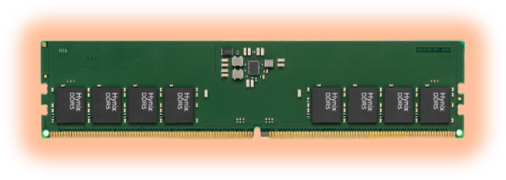
Modular memory design is one of the most effective ways to enable repairability. Standardized form factors, such as SO-DIMM for DRAM or eMMC for Flash, allow engineers to replace or upgrade memory components without specialized tools or soldering. Standardization also simplifies supply chain management, allowing engineers to source replacement memory from multiple suppliers and reducing the risk of obsolescence and allocation shortages.
This approach is particularly valuable in industries where equipment lifecycles span decades. For example, in the medical sector, devices like MRI machines or infusion pumps often remain in service for 10 to 15 years. If these systems rely on proprietary or soldered-down memory, a single component failure could necessitate a full system replacement or costly redesign. In contrast, modular memory solutions, allow for quick, cost-effective repairs. A 2024 study found that modular designs in medical equipment reduced maintenance costs by up to 30% over the product lifecycle, while also improving uptime and reliability.
Secure, Updatable Firmware
Repairability should never come at the expense of security. Memory solutions must support secure boot processes, encrypted storage, and over-the-air (OTA) updates to ensure that repairs or upgrades do not introduce vulnerabilities. For instance, in automotive applications, memory components must comply with ISO 26262 functional safety standards while also allowing for secure firmware updates. Secure memory designs - those incorporating hardware-based encryption and authenticated update mechanisms - are critical for preventing tampering and ensuring data integrity in repairable systems.
Long-Term Availability
Repairability is only as good as the availability of replacement parts. Engineers must partner with memory suppliers who prioritize long-term product roadmaps and transparent supply chains. Research analysists found that companies proactively managing component obsolescence reduced unplanned downtime by 40% and lowered maintenance costs by 25%. By designing memory for repairability and ensuring long-term availability, engineers can avoid the costly scramble for replacement parts and maintain system reliability over extended lifecycles.
Backward and Forward Compatibility
Memory designs should accommodate both older and newer systems to maximize repairability. Backward compatibility ensures that legacy equipment can use updated memory modules, while forward compatibility allows newer memory to integrate with existing platforms. This flexibility is especially valuable in industries like telecommunications, robotics, and automotive, where equipment lifecycles often exceed a decade.
The Business Case for Repairable Memory
Designing for repairability offers tangible business benefits. Reduced total cost of ownership (TCO) is perhaps the most significant advantage, as repairable systems lower maintenance costs and extend equipment lifespans. A McKinsey study found that companies adopting circular economy principles, including repairability, achieved cost savings of 15% to 20% while also improving customer satisfaction and brand loyalty. Faster time-to-market is another key benefit. Standardized, modular memory solutions accelerate development and reduce the risk of redesigns, allowing engineers to focus on innovation rather than component obsolescence. Finally, repairable products enhance customer trust by demonstrating a commitment to sustainability, reliability, and long-term support.
Repairability as a Competitive Edge
As the right-to-repair movement continues to gain momentum, memory design will play an increasingly critical role in product success. By prioritizing modularity, security, and long-term availability, engineers can future-proof their systems while delivering the reliability and flexibility that modern applications demand. For industries where longevity and performance are non-negotiable, repairable memory is not just an option, it’s a necessity.
At SMARTsemi, we are committed to providing memory solutions that meet today’s challenges and tomorrow’s opportunities, ensuring that your systems remain operational, compliant, and competitive for years to come.
SMARTsemi is your supply chain partner for DRAM components, eMMC solutions, and SD/microSD Flash Memory Cards for long-life applications. With 20+ years of industry experience, we understand your challenges and have aligned our priorities with yours to simplify your memory chip supply chain for the long run. We know what you need before you need it. Get a jump start and request a sample today.